No Shortcuts: A Defense of the Human Hand
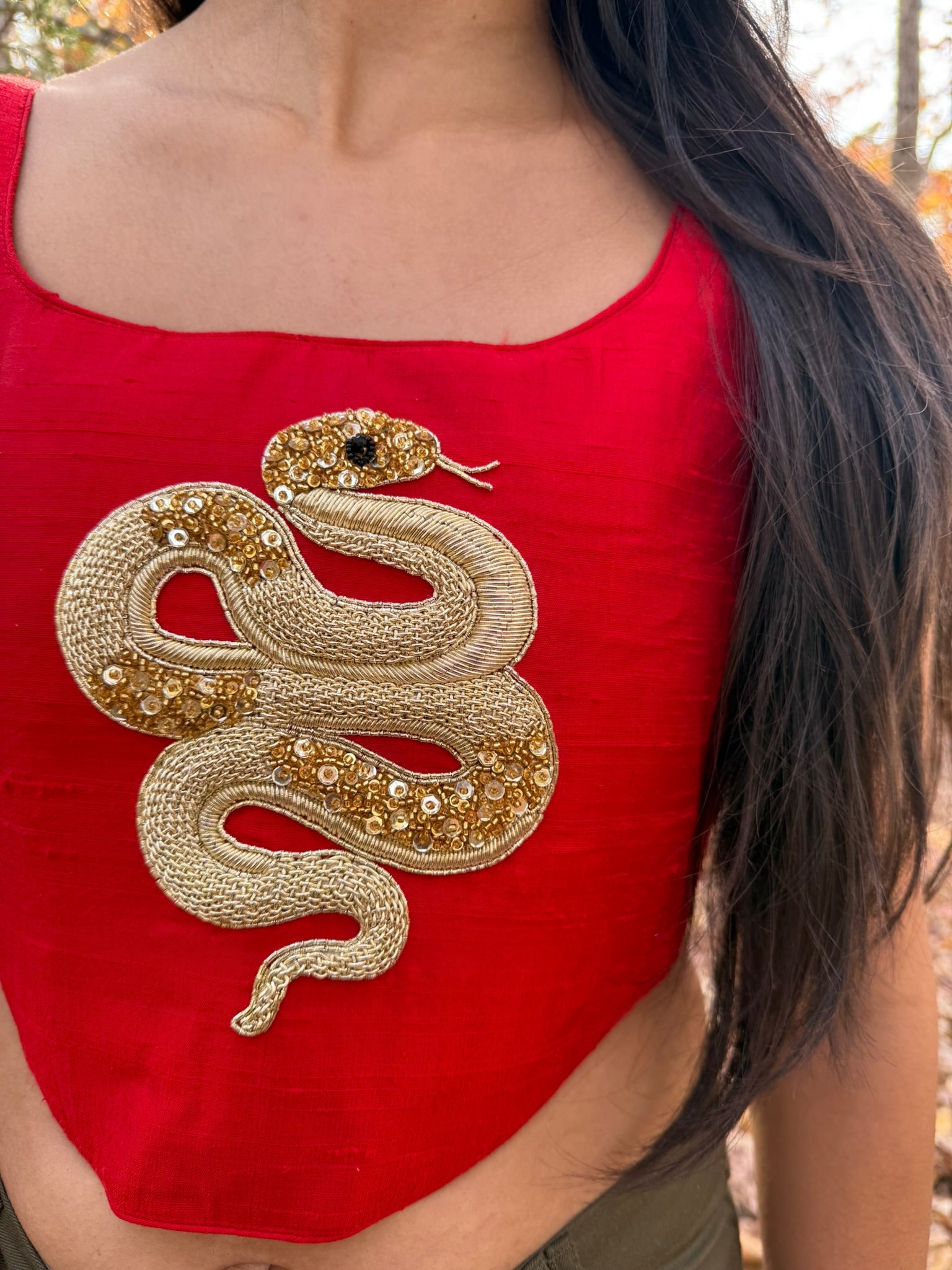
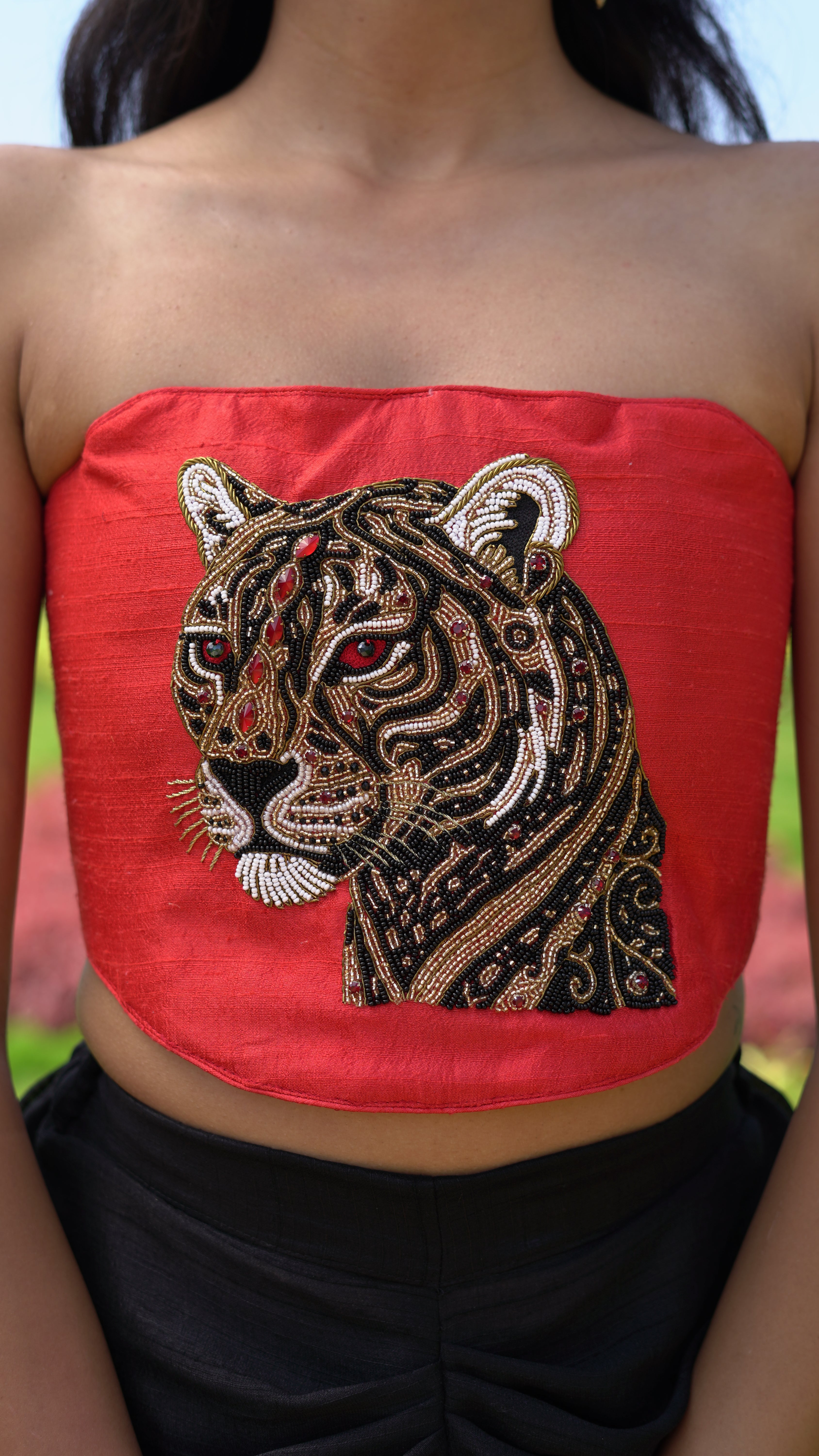
It takes days to embroider one of our corsets by hand. A machine could print a passable imitation in minutes.
We know this. We choose the days.
Not because we romanticize difficulty. Slowness is not a virtue by itself — plenty of slow things are just slow. We choose the hand because of what the hand carries that the machine cannot: attention.
Watch an artisan work. Before the needle moves, the eyes move. The hand pauses over silk, judging tension, correcting a millimeter drift no instrument would flag. A thousand small decisions, each invisible in the final piece, all of them present in it. This is the difference between a surface that is decorated and a surface that has been considered.
A worker creates with their hands. An artist creates with their heart. True craftsmanship requires both — and both live in a person, not a process.
Mass production has one goal: remove the person. Every efficiency is an efficiency of removal — remove the judgment, remove the pause, remove the deviation. What remains is repeatable, scalable, and empty. Ten thousand identical objects, none of which anyone ever looked at closely, made for no one in particular, discarded without grief.
We think objects made this way teach people to treat themselves the same way. Interchangeable. Optimized. Replaceable when a newer version appears.
So we hold the line in the opposite direction. Every JajiBelli piece is touched by human hands at every stage — weaving, dyeing, embroidery, embellishment, finishing, inspection. No stitch is placed by an algorithm. When availability is limited, it is not a marketing strategy. It is arithmetic: hands can only do so much in a day, and we will not pretend otherwise.
This is also why we repair. If beads loosen or threads lift after years of wear, we restore the piece rather than replace it. Fast fashion teaches you to discard. We would rather teach the opposite: that things made with care deserve care, and so do you.
The artisans who make our pieces are not invisible labor behind a label. They are the reason the label means anything. Years of practice live in their fingers — skill you cannot download, inherited through patience, person to person, generation to generation.
A machine can copy a stitch.
It cannot mean one.
That is the whole argument. We choose meaning. No shortcuts.